How Swimming Supports Immunity During Cold & Flu Season
How Swimming Supports Immunity During Cold & Flu Season
If you’ve lived in Hampton Roads for a few seasons, you know that October brings a welcome shift. The oppressive summer humidity finally breaks, the leaves around Town Point Park start to turn, and we all reach for our favorite cozy sweaters.
However, with pumpkin picking and crisp autumn air also comes another familiar fall tradition, cold and flu season.
As the temperatures drop across Norfolk, many parents naturally start packing away the swimsuits alongside the beach towels, operating under the old myth that cold air or wet hair makes kids sick. At Katie’s Kickers, we’re here to let you in on a little secret. Keeping your child in the pool this fall is actually one of the best ways to keep their immune system strong all winter long.
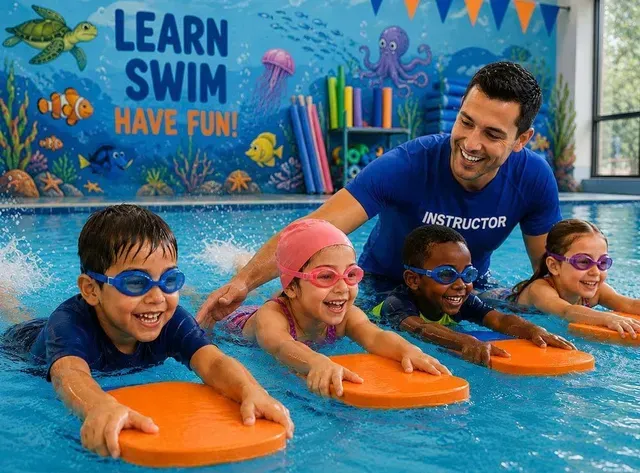
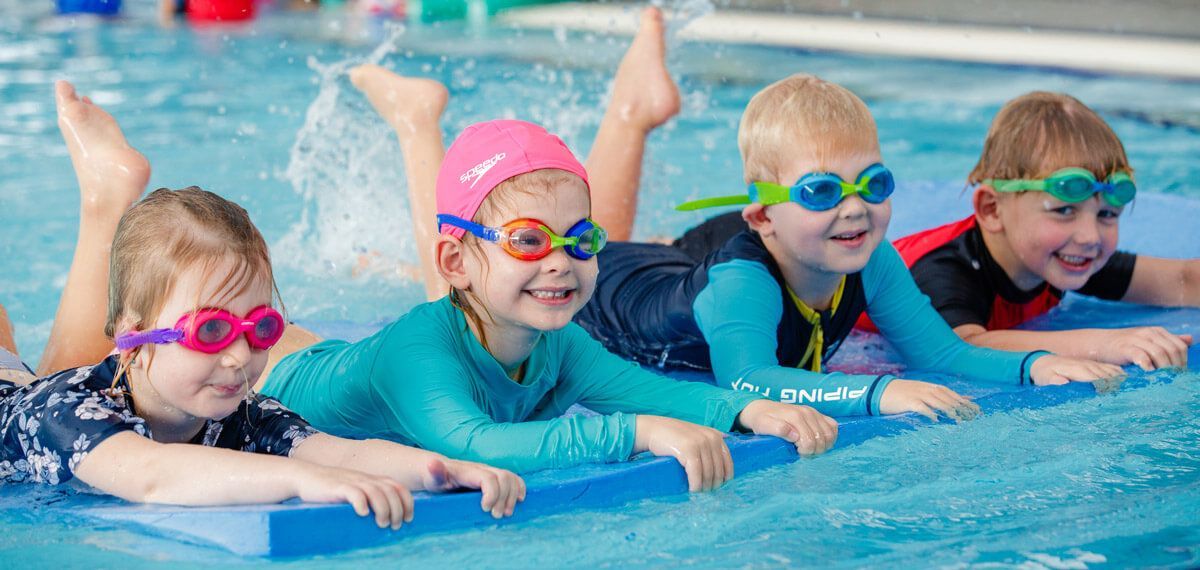
Here is how continuing indoor swim lessons through October and beyond keeps your young swimmers healthy, active, and resilient during the cold and flu season.
Does Wet Hair in Cold Air Cause Colds?
Let’s clear the air on this age-old myth first! Cold viruses, not cold temperature or damp hair, cause colds. Kids catch seasonal bugs when they are stuck indoors, breathing recirculated air in close quarters with playmates.
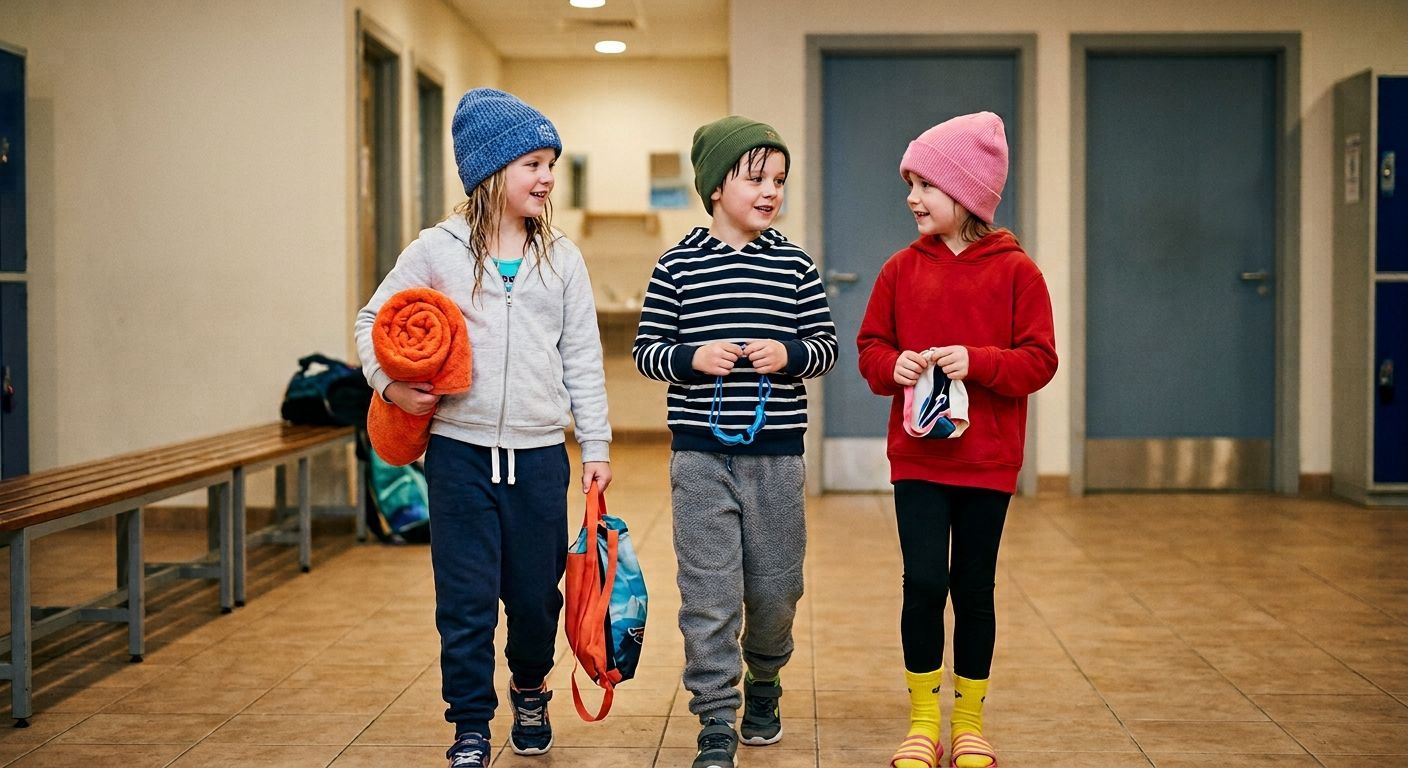
While stepping directly out into a chilly fall breeze in a wet bathing suit isn't very comfortable, it doesn't cause infection. As long as swimmers towel off thoroughly, slip into warm layers, and throw on a warm beanie before heading to the car, splash time in our warm indoor pool poses zero cold-weather risk!
Aerobic Exercise Supercharges the Immune System
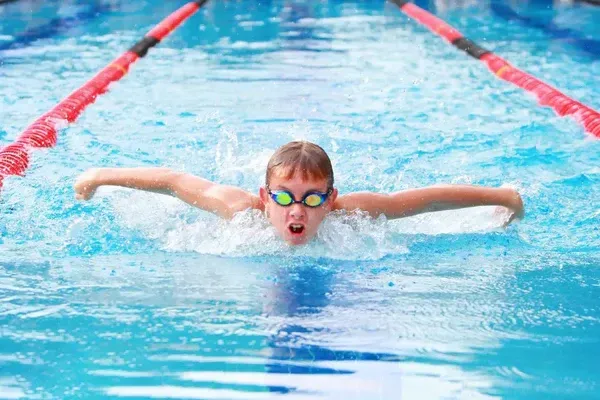
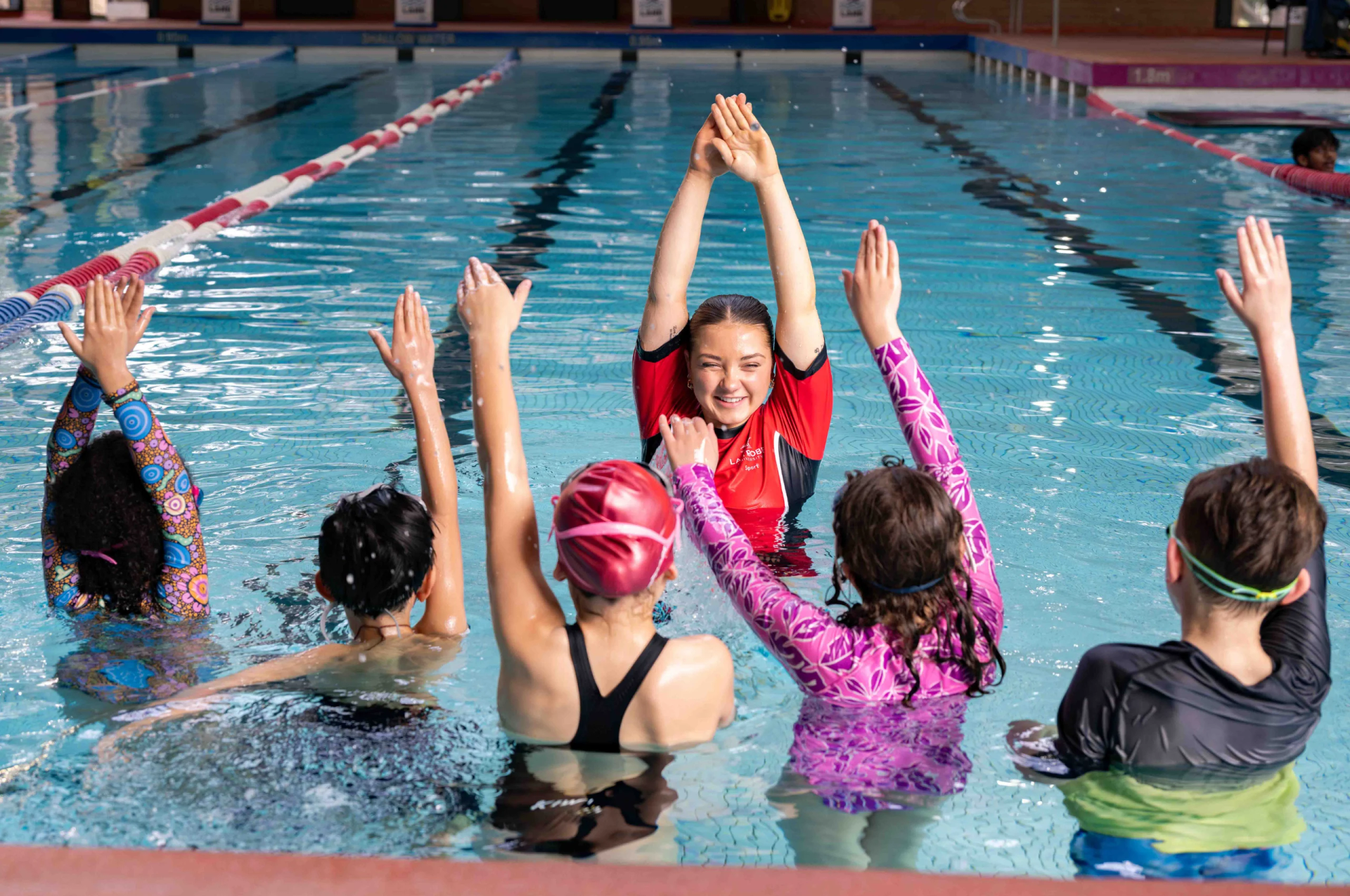
When kids swim, their cardiovascular system gets a total-body workout. Physical activity increases blood flow and lymphatic circulation, allowing immune cells and infection-fighting white blood cells to travel through the body more efficiently.
Regular moderate exercise, like a weekly 30-to-45-minute swim session, helps the body detect and target pathogens much faster, reducing the frequency and severity of typical fall sniffling.
Deep Breathing Builds Stronger Lung Capacity
Swimming is unique because it forces kids to practice rhythmic, controlled breathing. Deep inhalation paired with regulated exhalation strengthens respiratory muscles and expands lung capacity.
During the fall and winter months when respiratory viruses like RSV, colds, and flu circulate, strong lungs and efficient airways serve as a fantastic natural defense mechanism for developing bodies.
Burning Off Fall Energy
When gray clouds roll over the Elizabeth River and outdoor play starts getting rained or chilled out, kids still need an outlet for that boundless energy. Sitting indoors on screens can lead to sluggishness and poorer sleep, both of which weaken immunity.
A high-energy swim lesson burns off steam, lowers stress hormones, and promotes deeper, more restorative sleep. As every parent knows, a good night’s rest is the foundation of a healthy immune system!
Tips for a Warm October Swim Session
To make your trip to the pool as comfortable as possible:
- Pack a double towel: Keep one towel poolside for a quick wrap-up and a fresh, dry towel in the changing room.
- Master the Post-Swim Layers: Pack sweatpants, a hoodie, and warm socks for the ride home.
- Don't forget the ears: Dry ears thoroughly with a towel after getting out to keep ears warm in the fall breeze.
- Hydrate: Kids sweat even when swimming! Keep a water bottle handy for post-swim rehydration.
Keep the Momentum Going This Fall!
Don't let your child’s hard-earned summer swim skills hibernate until next May. Staying consistent with swim lessons through the fall keeps confidence high, muscle memory sharp, and immunity strong.
Ready to trade sweater weather for splash time? Check out our October indoor
class schedule
and lock in your swimmer’s spot today!