
The Secrets Behind the Butterfly
The Secrets Behind the Butterfly
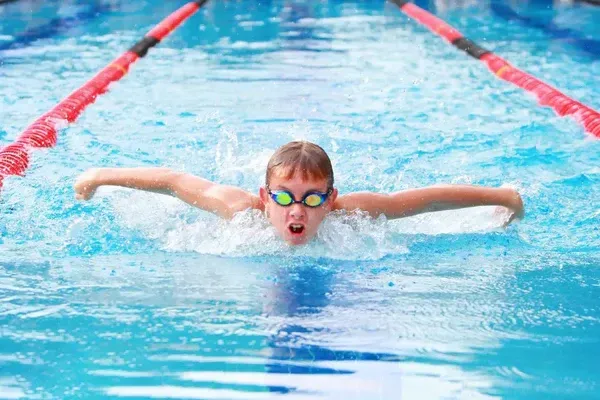
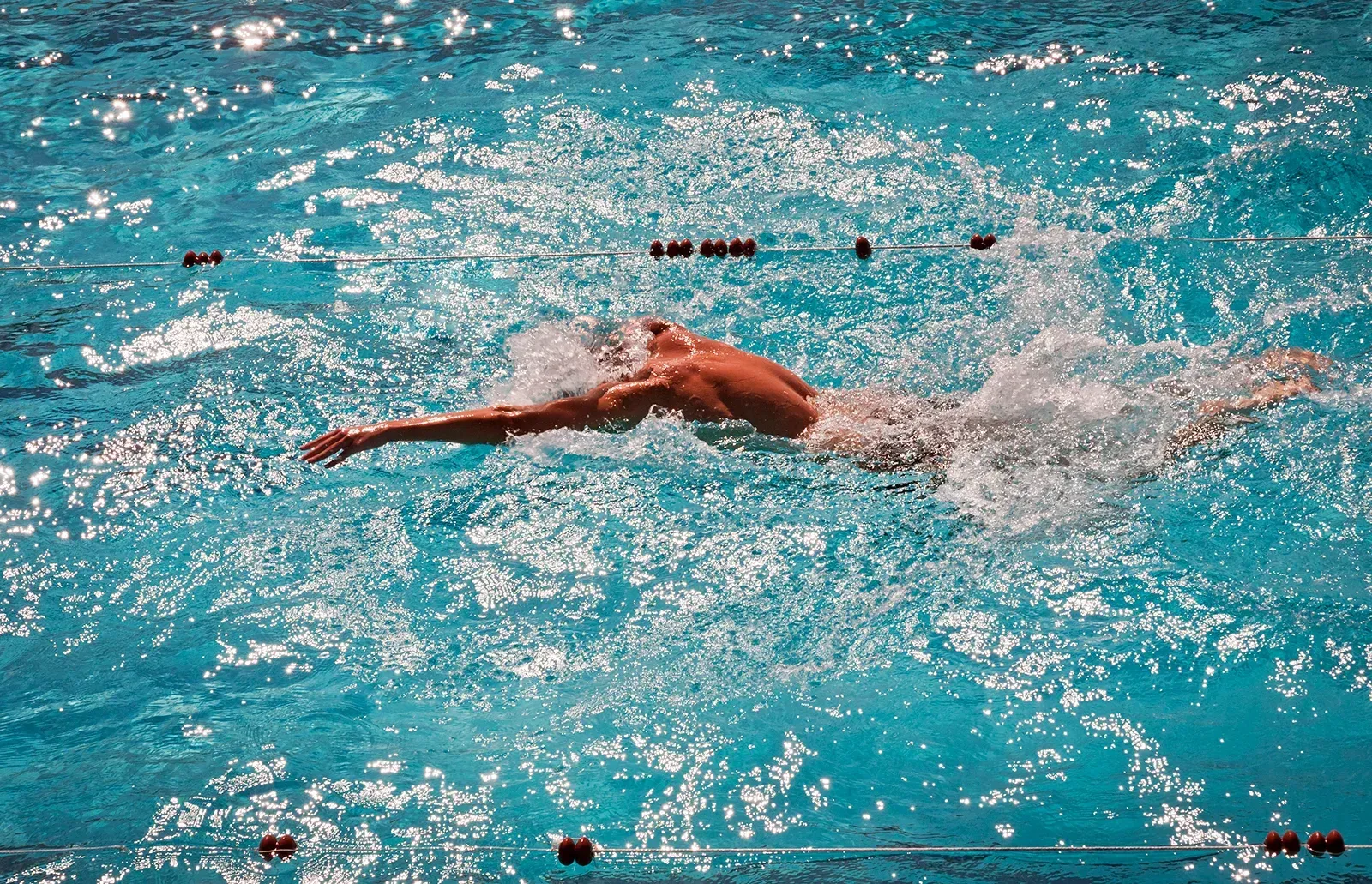
If you’ve spent any time watching swim meets or looking out across our pool here in Norfolk, you know there is one stroke that instantly catches everyone’s eye: the butterfly.
With its explosive double-arm recovery and dramatic wave-like motion, butterfly looks powerful, graceful, and, to most young swimmers, a little intimidating! The butterfly is often considered the hardest stroke in swimming, but behind all that splashing lies some of the most fascinating mechanics and history in aquatic sports.
Whether your child is just starting out in Level 1 or mastering advanced technique in Level 5, here is a look at the secret mechanics, accidental history, and aquatic superpowers that make the butterfly the undisputed king of swim strokes.
The Accidental History: A Rulebook Loophole
Did you know butterfly wasn’t originally planned as an official stroke? In fact, it was born out of a rulebook loophole in the 1930s!
Back then, swimmers competing in breaststroke events realized that bringing both arms out over the water together, rather than sweeping them underwater, created significantly less water resistance. Swimmers started using this technique during breaststroke races to out-swim the competition.
For nearly twenty years, this hybrid stroke was technically allowed until official swimming committees separated the two in the 1950s. The classic breaststroke rules were tightened, and the butterfly was officially recognized as its own brand-new competitive stroke!
Dolphin Power: The Science of the Body Wave
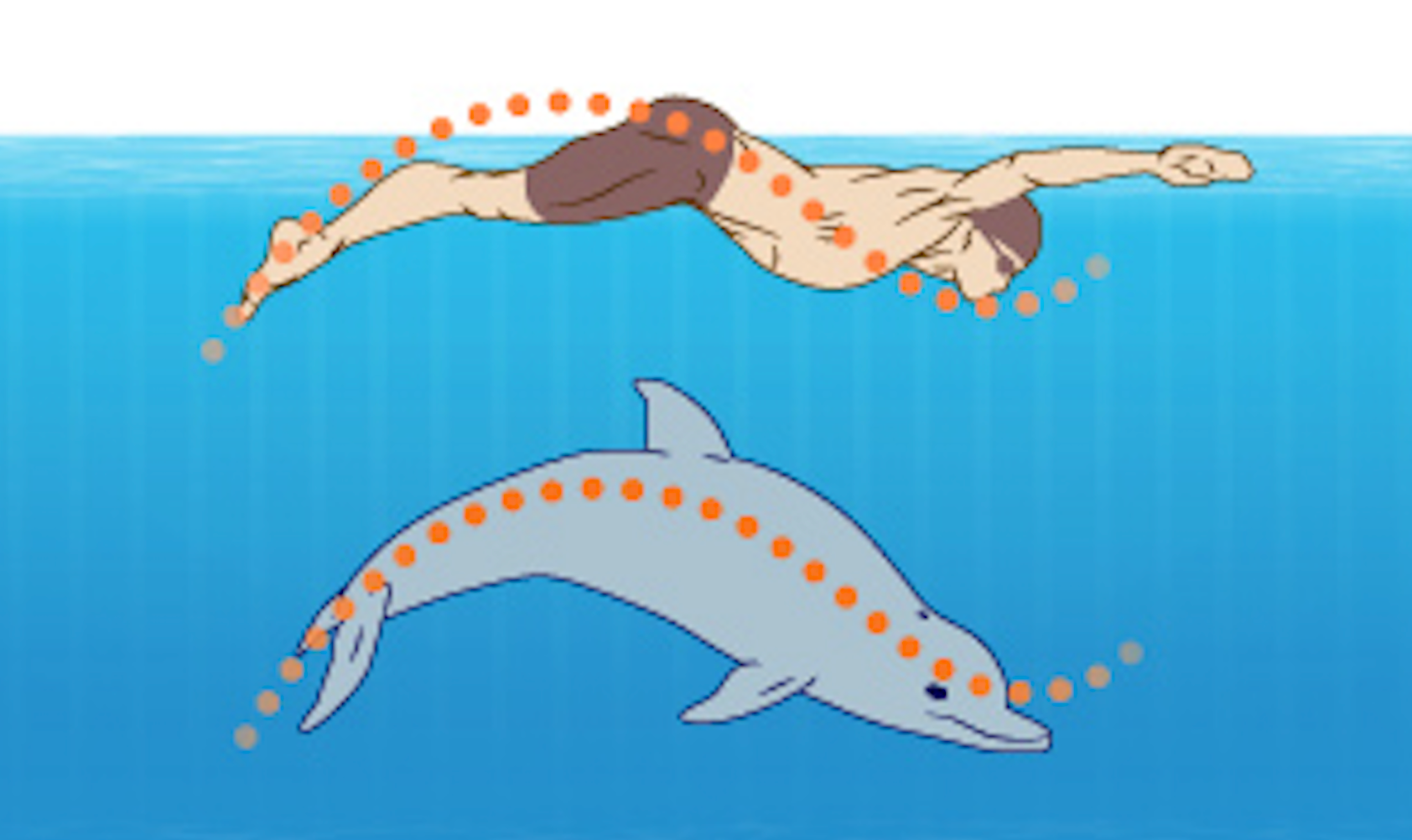
Unlike freestyle or backstroke where propulsion comes from alternating arm strokes and flutter kicks, butterfly relies on a continuous, fluid body wave.
- It starts at the core: A strong butterfly kick doesn't start at the knees or ankles, it starts up at the chest and core. The motion flows down through the hips, thighs, and feet in a whip-like motion that mimics marine mammals like dolphins and whales.
- The Two-Kick Rhythm: For every single arm stroke in butterfly, swimmers actually perform two dolphin kicks:
- First kick: A smaller kick as the hands enter the water to help drive the body forward into a sleek streamline.
- Second kick: A bigger, more powerful kick as the hands push back toward the hips, propelling the head and chest up to breathe.
When a swimmer syncs this timing perfectly, they generate incredible bursts of speed through the water!
Building Blocks at Katie’s Kickers: Making Butterfly Fun
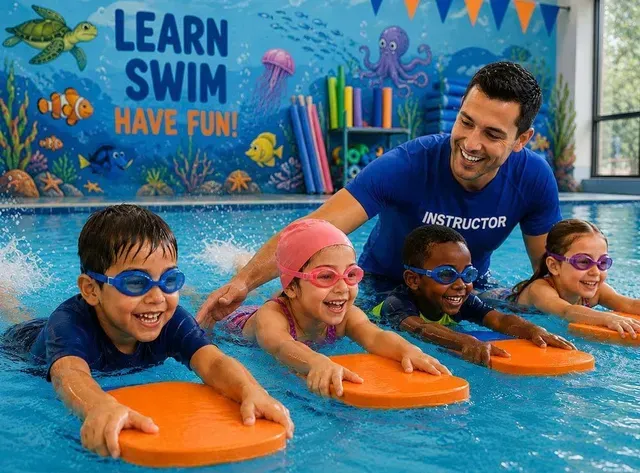
Because butterfly requires strong core strength and precise timing, many kids hear the word "butterfly" and think it’s too hard. But at Katie's Kickers, we break this complex movement down into simple, approachable building blocks long before asking swimmers to attempt the full stroke.
Here is how we build butterfly confidence step-by-step:
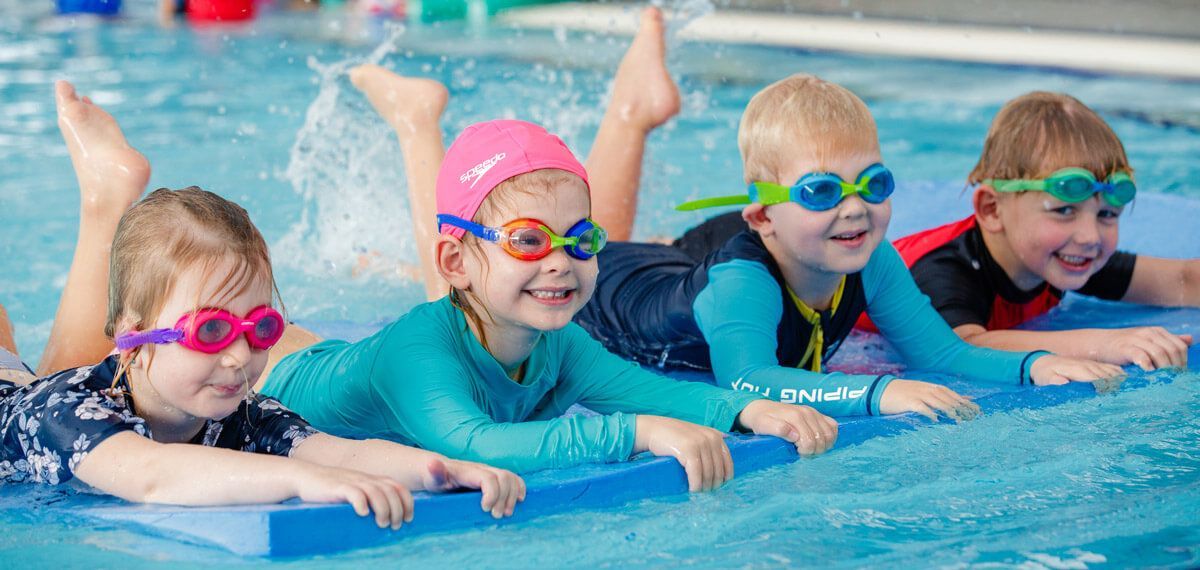
- Dolphin Glides & Streamlines: We start in our early skill levels by teaching children how to pulse their chest and hips off the wall without worrying about their arms yet.
- Single-Arm Drills: Once swimmers master the dolphin kick rhythm, we introduce single-arm butterfly drills. This allows them to practice breathing to the side while holding onto proper timing.
- The Big Finish: Only after the wave motion and kick timing feel natural do we add both arms together for full butterfly lengths.
By teaching the rhythm first and the muscle power second, our swimmers realize that butterfly isn't scary at all, it's just a fun rhythm game in the water!
Ready to See Your Swimmer Soar?
Watching a child go from splashing awkwardly to gliding across the pool with a smooth dolphin kick is one of our favorite milestones at Katie’s Kickers. Whether your swimmer is working on mastering their water confidence or looking to refine their stroke technique for competitive swimming, our instructors are here to guide them every splash of the way.
Have questions about which level is right for your child this season?
Reach out to our team or log into your
Swimmer Portal today!